


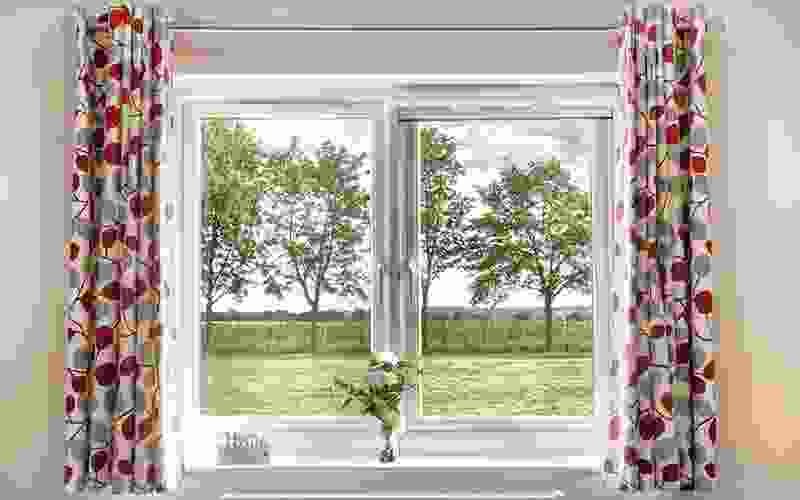
Customized Window Curtains with Installation: The Complete Guide to Transforming Your Space

When it comes to home décor, few elements have the power to completely transform a room the way window curtains do. Customized window curtains, in particular, offer something that off-the-shelf options simply cannot — a perfect fit, a personal touch, and a polished finish that ties your entire interior together. Whether you are redesigning a cozy bedroom, a formal living room, or a busy home office, investing in custom curtains with professional installation is one of the smartest decisions you can make for your home.
What Are Customized Window Curtains?
Customized window curtains are made-to-measure window treatments tailored specifically to your window dimensions, interior style, and personal preferences. Unlike ready-made curtains that come in standard sizes and limited fabric choices, custom curtains are crafted from scratch based on your exact requirements.
You get to choose everything — the fabric type, color, pattern, lining, pleat style, header type, and length. Want blackout lining for your bedroom? Done. Prefer sheer linen panels for a breezy, sun-filled living room? Absolutely. The level of control you have over the final product is unmatched, making custom curtains the preferred choice for homeowners, interior designers, and decorators who demand quality and precision.
Why Choose Custom Curtains Over Ready-Made Options?
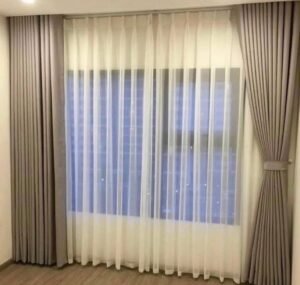
The most obvious reason is fit. Standard curtains are made in generic sizes that rarely match perfectly with real windows. Gaps at the sides, panels that fall too short, or fabric that bunches awkwardly on the floor — these are common frustrations with off-the-shelf curtains.
Custom curtains eliminate all of that. They are measured, cut, and sewn to fit your windows exactly, giving you clean lines and a professional look every single time.
Beyond fit, custom curtains offer superior fabric quality. You are not limited to whatever synthetic blends a manufacturer chose to stock. You can select from premium materials like velvet, silk, cotton, linen, polyester blends, and more — each offering different levels of light control, insulation, and texture.
Custom curtains also add significant value to your home. They signal quality and attention to detail, which matters whether you are living in the home long-term or planning to sell it in the future.
Popular Fabric Choices for Customized Curtains
Choosing the right fabric is one of the most important steps in the customization process. Here is a quick overview of the most popular options:
Linen is a timeless, natural fabric that brings a relaxed, airy feel to any room. It filters light beautifully and works especially well in living rooms and dining areas. Linen wrinkles easily, which many homeowners actually embrace as part of its natural charm.
Velvet adds drama and luxury. It is heavy, absorbs light, and provides excellent insulation, making it ideal for bedrooms and formal sitting rooms. Velvet curtains in deep jewel tones like navy, emerald, or burgundy create a rich, sophisticated atmosphere.
Cotton is one of the most versatile and easy-to-maintain fabrics. It holds dye well, so it comes in a wide variety of colors and prints. Cotton curtains work well in kitchens, children’s rooms, and casual living spaces.
Sheer fabrics like voile or organza allow maximum natural light while still offering a degree of privacy. They are perfect as standalone panels in sunlit spaces or layered under heavier drapes for a dual-effect window treatment.
Blackout fabric is the go-to choice for bedrooms, nurseries, and home theaters. It blocks out nearly all external light and also helps reduce noise and regulate room temperature.
Key Customization Options to Consider
When ordering customized curtains, you will be asked about several design elements beyond just fabric. These include:
Header style — This refers to how the curtain attaches to the rod or track. Popular options include pinch pleat, eyelet (grommet), pencil pleat, rod pocket, and tab top. Each creates a different visual effect when the curtain is hung.
Lining — A good lining adds body to the curtain, protects the fabric from sun damage, and improves light control. Options include unlined, standard lining, interlining (for extra fullness and insulation), and blackout lining.
Length — Custom curtains can be made to any length. Common styles include sill length, apron length (just below the sill), floor length, and puddle length (where the fabric pools gracefully on the floor).
Fullness — This refers to how much fabric is used relative to the window width. More fullness creates a more luxurious, gathered look, while less fullness gives a sleeker, contemporary appearance.
Professional Curtain Installation: Why It Matters
Even the most beautifully made custom curtains can look underwhelming if they are not hung correctly. Professional installation ensures that every panel hangs straight, the brackets are anchored securely into the wall or window frame, and the curtains operate smoothly on their rods or tracks.
A professional installer will begin by assessing the window and surrounding wall structure. They will identify the best placement for brackets, typically positioned 4 to 6 inches above the window frame and several inches wider on each side. Hanging the rod higher and wider than the actual window is a well-known interior design trick that makes windows appear larger and ceilings taller.
The installer will then drill pilot holes, insert wall anchors if needed, and secure the brackets firmly before hanging the rod and curtains. For heavier fabrics like velvet or lined drapes, proper wall anchoring is essential to prevent sagging or bracket failure over time.
After hanging, professionals will dress the curtains — a process of arranging the folds evenly and training the fabric to fall in consistent pleats. This finishing step makes an enormous difference in the final appearance and is something many DIY installations skip.
For motorized or track systems, professional installation becomes even more important, as it involves precise measurements and often electrical work to ensure smooth, reliable operation.
Caring for Your Custom Curtains
Once your curtains are installed, proper care will keep them looking their best for years. Most custom curtains benefit from regular light vacuuming with an upholstery attachment to prevent dust buildup. Depending on the fabric, some curtains can be gently hand-washed or dry-cleaned. Always follow the care instructions provided by your manufacturer or curtain maker.
Final Thoughts
- Customized window curtains with professional installation are a worthwhile investment for any home. They combine beauty, function, and precision in a way that standard curtains simply cannot match. From the moment you choose your fabric to the final adjustment of each pleat, the process is entirely centered around your vision and your space. The result is a home that feels intentional, elevated, and truly your own.
If you are ready to explore customized window curtains for your home, consult with a local curtain specialist or interior designer who can guide you through fabric selection, measurements, and installation to achieve the perfect finish.